

Walk into any modern kitchen in Kenya today, whether it’s a family home in Nairobi, a café in Westlands, or a hotel kitchen along the coast and one thing becomes clear: kitchen equipment is not built the same for every environment.
There is a clear distinction between home kitchen equipment and commercial (HoReCa) kitchen equipment, and understanding this difference is essential for making the right purchasing decisions, reducing costs, and improving efficiency.
1. Durability and Build Quality
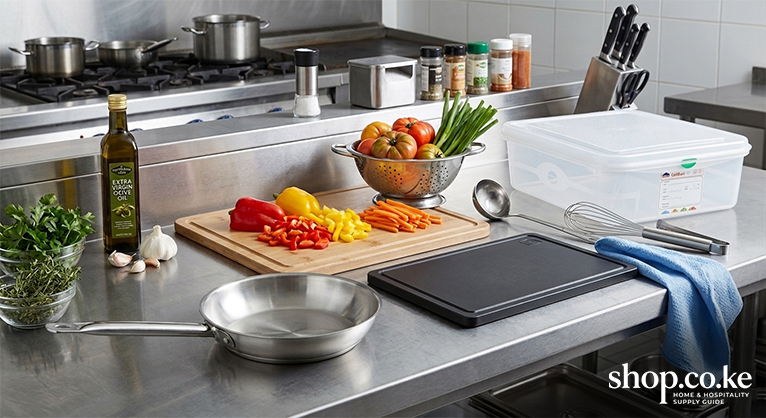
The primary difference between home and commercial kitchen equipment is durability.
Home kitchen equipment is designed for occasional use, typically preparing a few meals a day for a household. It prioritizes convenience and affordability.
Commercial kitchen equipment, on the other hand, is built for continuous and heavy-duty use in restaurants, hotels, and cafés. In Kenya’s fast-growing hospitality sector, especially in cities like Nairobi, equipment often runs for long hours daily under high demand.
As a result, commercial equipment is constructed using stronger materials such as heavy-grade stainless steel, reinforced components, and industrial-grade motors to withstand constant use.
2. Capacity and Output
Another key difference is capacity.
Home appliances are designed for smaller portions and limited daily use. For example, a household blender is typically suited for small batches.
Commercial equipment is designed for high-volume output. In cafés, juice bars, and hotel kitchens, equipment must handle repeated use throughout the day without overheating or slowing down.
In the Kenyan hospitality industry, where service speed directly affects customer experience, higher capacity equipment is essential.
3. Performance and Efficiency
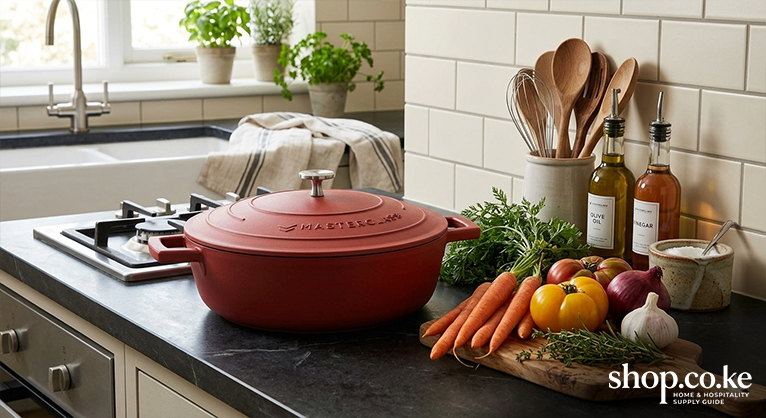
Commercial kitchen equipment is optimized for speed and efficiency.
It is designed to perform tasks such as blending, cooking, heating, or processing food much faster and with greater consistency. This allows businesses to serve more customers in less time.
Home kitchen equipment focuses more on simplicity, energy efficiency, and ease of use rather than high-speed output.
4. Maintenance and Repairability
Commercial equipment is generally designed with maintenance in mind. Many parts are replaceable, and servicing is expected over the equipment’s lifespan.
Home appliances are often sealed units, meaning they are not easily repaired and are typically replaced once they fail.
For businesses in Kenya, especially small and medium-sized food service operators, this difference has a direct impact on long-term operating costs.
5. Cost and Long-Term Value
Commercial kitchen equipment usually has a higher upfront cost. However, it often provides better long-term value due to its durability, efficiency, and reduced breakdown frequency.
Home kitchen equipment is more affordable initially but may require more frequent replacement if used beyond its intended capacity.
Choosing the right equipment depends on whether the environment is domestic or business-oriented.
6. Design and Practical Use
Home kitchen tools are designed with user convenience, compact size, and aesthetics in mind.
Commercial equipment prioritizes functionality, speed, and ergonomic design for repeated use by kitchen staff.
A home cook and a professional chef have very different requirements, and equipment design reflects that distinction.
Conclusion
The difference between home and commercial kitchen equipment goes beyond appearance. It affects durability, performance, capacity, and long-term cost efficiency.
In Kenya’s evolving home and hospitality market, understanding these differences helps both households and businesses make more informed decisions when selecting kitchen equipment.
Choosing the right tools ensures better performance, improved efficiency, and longer-lasting value, whether for home cooking or professional food service operations.

Hi, this is a comment.
To get started with moderating, editing, and deleting comments, please visit the Comments screen in the dashboard.
Commenter avatars come from Gravatar.